Welcome To Hebei Xiongan Hengyun Technology Co., Ltd.
 Esperanto
 Shqiptare
 Euskara
 Zulu
Zulu
 Latinus
 Cymraeg
 தமிழ்
தமிழ்
 Slovak
 Slovak
 Afrikaans



7628 Electronic Fiberglass Cloth: The Precision Backbone of Advanced Circuit Boards
2026-04-13
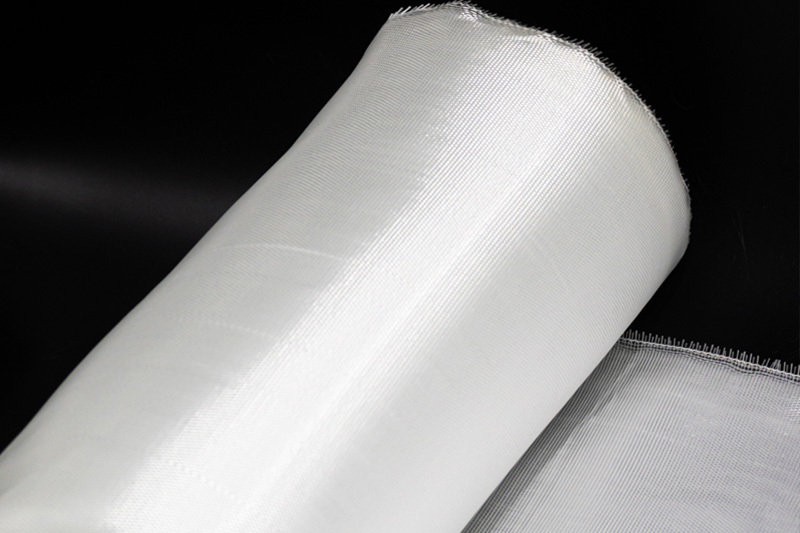
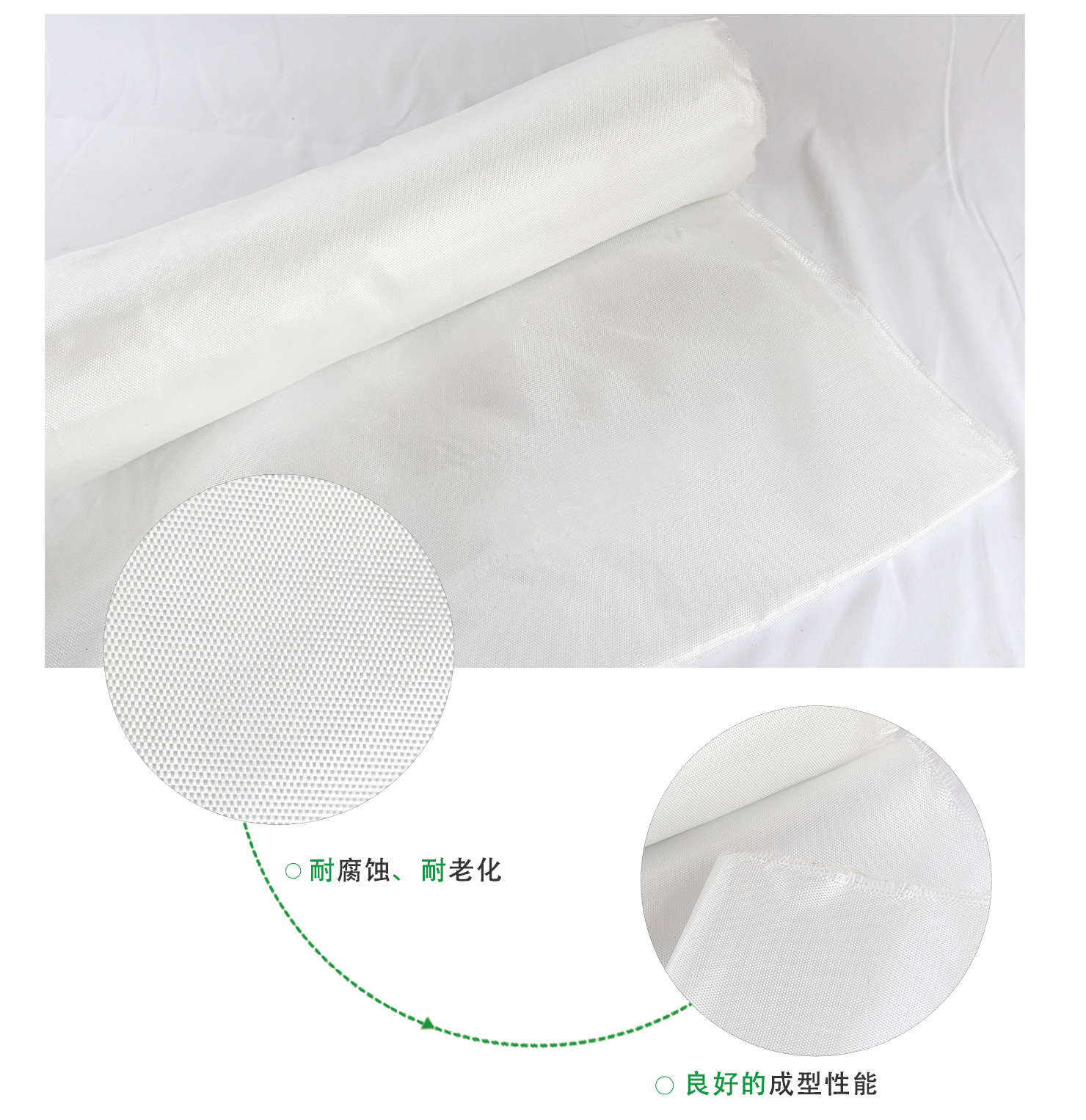
In the intricate world of electronics manufacturing, reliability begins at the microscopic level. At the heart of nearly every printed circuit board (PCB) — from smartphones and servers to automotive control systems and medical devices — lies a material so thin it is measured in microns, yet so critical that its quality determines the performance of the entire assembly. That material is 7628 Electronic Fiberglass Cloth, a precision-woven fabric that has become the industry standard for high-performance laminates in the global electronics supply chain.
The Goldilocks of Circuit Board Reinforcement
The designation "7628" is not arbitrary. It follows a standardized naming system for electronic glass fabrics, where the numbers denote specific thickness, weight, and weave construction. 7628 cloth is widely recognized as one of the most balanced and versatile options available. Typically, it features a thickness of approximately 0.18 mm (180 microns) and a weight of around 200–210 g/m², with a plain weave structure of 41.5 warp ends and 31.5 weft picks per centimeter. This specific geometry delivers an optimal combination of dimensional stability, dielectric strength, and resin absorption — properties that are absolutely essential for reliable PCB manufacturing.
What sets 7628 cloth apart from other electronic glass fabrics like 106, 1080, or 2116 is its unique ability to strike the perfect balance between thinness and structural integrity. Thinner fabrics may require multiple plies, increasing cost and processing complexity, while heavier weaves lack the fine tolerance required for high-density interconnects (HDI). 7628 has become the "just right" solution for standard multilayer boards and high-reliability applications, including servers, telecommunications infrastructure, and industrial control systems.
Uncompromising Performance in Demanding Environments
Electronic fiberglass cloth does not merely provide mechanical support — it is an active contributor to the electrical and thermal performance of the final PCB. Made from high-quality E-glass fibers, 7628 cloth exhibits exceptional electrical insulation properties, low dielectric constant, and low dissipation factor. These characteristics are increasingly critical as signal speeds rise and devices shrink. In 5G infrastructure, automotive radar systems, and high-frequency trading servers, maintaining signal integrity is paramount. Any variation in the glass fabric's weave uniformity or surface smoothness can cause impedance fluctuations, leading to data errors or system failures.
Modern manufacturing of 7628 cloth involves advanced processes such as precision weaving, heat cleaning to remove organic residues, and silane-based coupling agent treatments. These finishing steps ensure superior adhesion between the glass fibers and epoxy resins (e.g., FR-4), minimizing void formation and enhancing the thermal reliability of the final laminate. Leading suppliers such as Hexcel, Nittobo, Taiflex, and Jiangsu Changhai Composite Materials have invested heavily in automated inspection systems to guarantee zero-defect fabric rolls, using laser and optical sensors to detect broken filaments or weave irregularities at production speeds exceeding 20 meters per minute.
Enabling Miniaturization and High-Density Interconnects
As the electronics industry relentlessly pursues smaller, faster, and more powerful devices, the demands on 7628 cloth have intensified. High-density interconnect PCBs — which pack more circuitry into less space — require extremely flat and dimensionally stable laminates. 7628 cloth, with its low coefficient of thermal expansion, prevents warpage during the multiple heating cycles of surface-mount assembly, ensuring that fine-pitch components align precisely every time. This thermal-mechanical reliability is particularly vital for advanced packaging technologies like ball grid arrays and chip-scale packages.
The shift toward electric vehicles has further amplified demand for 7628 cloth. EV power electronics, battery management systems, and onboard chargers require PCBs that can withstand high temperatures, vibration, and current loads. 7628-based laminates provide the necessary creep resistance and insulation coordination to meet stringent automotive safety standards such as IPC-6012 and AEC-Q100.
A Greener Future Through Innovation
Sustainability is increasingly shaping the electronic glass cloth industry. Manufacturers are now developing halogen-free and lead-free compatible 7628 fabrics, reducing environmental impact while maintaining performance. Some producers have introduced low-dielectric variants using advanced glass compositions to meet the needs of millimeter-wave applications. The use of recycled content and reduced water consumption in glass fiber production is also gaining traction, aligning with the circular economy goals of major electronics brands.
In summary, 7628 Electronic Fiberglass Cloth represents a mature yet continuously innovating technology that quietly enables the modern digital world. From the smartphone in your pocket to the data center hosting cloud services, this precision fabric ensures that the circuits connecting our lives remain reliable, efficient, and ready for the next leap forward. As electronics become ever more demanding, 7628 cloth stands ready — one micron-thin fiber at a time.
7628 Fabric,PCB Reinforcement,Ткань 7628,Размерная стабильность,E-стекло ,Армирование печатных плат
Related news
7628 Electronic Fiberglass Cloth: The Precision Backbone of Advanced Circuit Boards
2026-04-13
7628 Electronic Fiberglass Cloth: The Precision Backbone of Advanced Circuitry
2026-04-10
Fiberglass Mesh: The Smart Reinforcement Driving Global Infrastructure Resilience
2026-04-07

We produce building materials with glass fiber as the main product.Production headquarters is located in Xiongan New District.


Contact
Room 209, Building S6, 001 Baojing Road North, xiongxian, Baoding, Hebei

Learn more