Welcome To Hebei Xiongan Hengyun Technology Co., Ltd.
 Esperanto
 Shqiptare
 Euskara
 Zulu
 Latinus
 Cymraeg
 தமிழ்
 Slovak
 Slovak
 Afrikaans



7628 Fiberglass Fabric: The High-Strength Backbone Powering the Next Generation of Electronics and Composites
2026-02-02
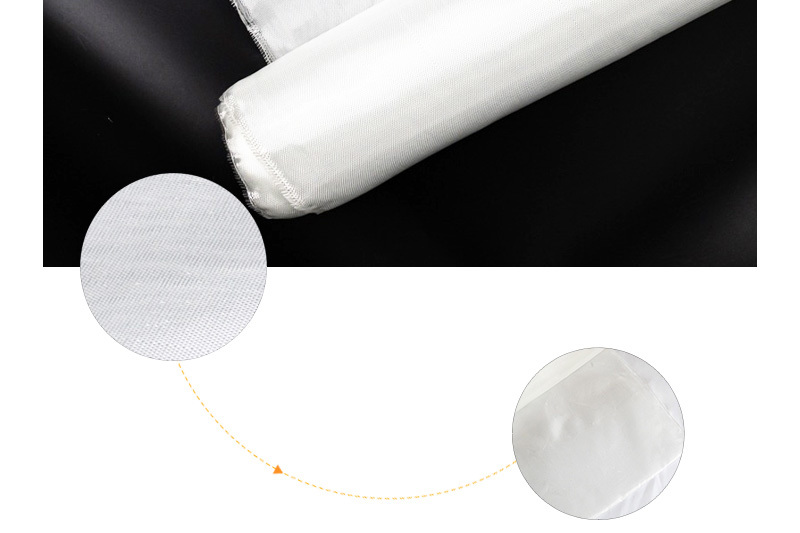
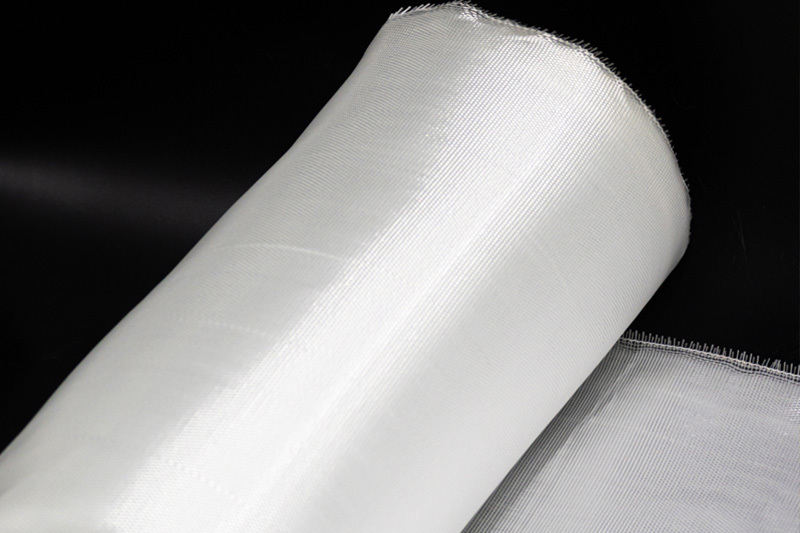

In an era defined by technological advancement and demanding industrial applications, one unsung hero continues to form the critical foundation for progress: 7628 Fiberglass Fabric. This specific style of woven glass fabric, characterized by its distinctive plain weave and a thread count that yields exceptional dimensional stability, is experiencing sustained growth and recognition. Its unique properties are proving indispensable for innovation in sectors ranging from consumer electronics to aerospace, driving forward standards of performance, durability, and design.
At its core, 7628 fabric is engineered for balance and strength. The "7628" designation refers to a weave style with specific yarn thickness and spacing, resulting in a fabric that is relatively thick, flat, and possesses a very low drape. This makes it not just another reinforcement material, but a predictable, robust, and stable substrate. Its primary and most significant application lies in the heart of modern electronics: as the base material for FR-4 printed circuit boards (PCBs). In this role, 7628 fabric, when impregnated with epoxy resin, provides the perfect mechanical backbone. It offers superb electrical insulation, remarkable heat resistance to withstand soldering processes, and crucially, minimal expansion under heat. This dimensional stability prevents warping and ensures the integrity of intricate copper pathways in multi-layer boards, enabling the dense, reliable circuitry found in everything from smartphones and 5G infrastructure to advanced automotive control units.
Beyond the world of PCBs, 7628 fiberglass fabric is a cornerstone of high-performance composite materials. Its excellent strength-to-weight ratio and rigidity make it a preferred choice in applications where structural integrity is non-negotiable. In the wind energy sector, it is used in laminates for turbine blades, contributing to their longevity and ability to withstand immense environmental stresses. The aerospace and marine industries utilize it in panels, enclosures, and structural components where corrosion resistance, light weight, and strength are paramount. Furthermore, its thermal and chemical resistance lends itself to use in industrial insulation and as a reinforcing scrim in various high-temperature composite panels.
The forward momentum for 7628 fabric is further fueled by evolving trends. The global push for electric vehicles (EVs) and advanced driver-assistance systems (ADAS) creates skyrocketing demand for highly reliable, complex PCBs, directly benefiting 7628 producers. Similarly, the expansion of renewable energy infrastructure and the continual quest for lighter, stronger materials in transportation solidify its market position. Manufacturers are also responding with continuous improvements, offering versions with compatible sizings for different resin systems and enhanced handling characteristics.
In conclusion, 7628 Fiberglass Fabric is far more than a simple industrial commodity. It is a mature, yet dynamically essential, enabling material whose consistent quality and engineered properties form the unshakeable foundation for technological evolution. As industries push the boundaries of what's possible—demanding smaller, faster, stronger, and more reliable products—the role of this robust fabric becomes ever more critical. Its continued adoption and development stand as a testament to its unwavering value in building a stronger, more connected, and technologically advanced future.
7628 Fabric ,High-Strength,Printed Circuit Boards,innovation in electronics,electric vehicles,stable substrate
Related news



We produce building materials with glass fiber as the main product.Production headquarters is located in Xiongan New District.


Contact
Room 209, Building S6, 001 Baojing Road North, xiongxian, Baoding, Hebei

Learn more