Welcome To Hebei Xiongan Hengyun Technology Co., Ltd.
 Esperanto
 Shqiptare
 Euskara
 Zulu
Zulu
 Latinus
 Cymraeg
 தமிழ்
தமிழ்
 Slovak
 Slovak
 Afrikaans



Fiberglass Cloth: The Versatile Material Powering Advanced Composites Across Industries
2026-06-22
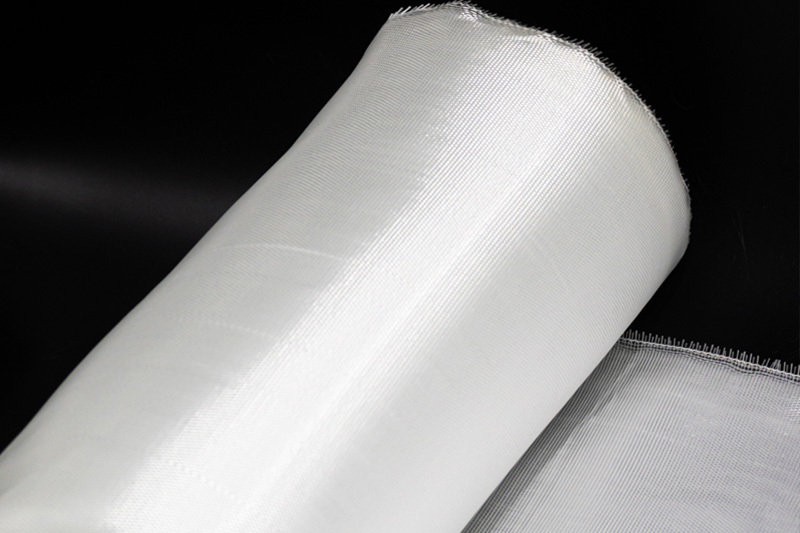

Industry Overview
Fiberglass cloth has evolved from a niche industrial textile into a cornerstone material that underpins some of the most advanced applications across modern manufacturing. Combining lightweight characteristics with exceptional strength, chemical resistance, and thermal stability, this woven fabric has become indispensable in aerospace, automotive, construction, marine, and electronics sectors. The material's ability to deliver tailored mechanical performance through different weave constructions—plain, twill, satin, and nonwoven—makes it a highly adaptable solution for diverse engineering challenges.
What Is Fiberglass Cloth?
Fiberglass cloth is an engineering fabric woven from continuous filament E-glass or other glass fiber compositions. It offers a unique combination of properties that distinguish it from alternative reinforcement materials: high tensile strength, excellent electrical insulation, low moisture absorption, dimensional stability, and outstanding heat resistance. The fabric is available in various weights, thicknesses, and weave patterns, allowing engineers to select the optimal specification for each application—from lightweight finishing cloths to heavy-duty structural reinforcements.
Key Applications Across Industries
In the electronics and PCB sector, electronic-grade fiberglass cloth serves as the primary reinforcement skeleton for copper-clad laminates, directly influencing board strength, dielectric properties, thickness tolerance, and warpage control. Major manufacturers are investing heavily in capacity expansions to meet surging demand driven by AI-related computing infrastructure and next-generation communication equipment.
In aerospace and automotive, fiberglass cloth delivers lightweight strength and impact resistance for structural components, while its thermal stability makes it a preferred material for heat shields and fire barriers. The material also plays a vital role in construction and energy applications, where its chemical resistance and electrical insulation properties are highly valued in corrosive environments and high-voltage systems.
Thermal and Protective Applications
High-temperature fiberglass cloth can withstand continuous exposure to temperatures up to 520°C, retaining over half of its room-temperature tensile strength at 357°C. This thermal resilience makes it ideal for manufacturing welding curtains, fire blankets, insulated equipment covers, and personnel protection barriers. Specialty products, such as silica fiberglass cloth with over 96% silica content, offer even higher heat resistance for demanding industrial environments.
Market Outlook
The global market for fiberglass cloth continues to expand, supported by growing demand in transportation, electrical and electronics, wind energy, and marine construction. Asia-Pacific leads production and consumption, with major players including Owens Corning, Jushi Group, Nitto Boseki, and Saint-Gobain dominating the competitive landscape. Industry analysts project sustained growth as manufacturers develop new coated variants—silicone, PTFE, and vermiculite-treated fabrics—that extend performance capabilities in extreme environments.
As material science advances and cross-industry collaboration accelerates, fiberglass cloth is positioned to remain a critical enabler of lightweight, durable, and high-performance engineering solutions across the global economy.
Fiberglass cloth,Reinforcement material,Tensile strength,Thermal stability,Aerospace,Chemical resistance,Weave construction,Dimensional stability
Related news
Fiberglass Cloth: The Versatile Material Powering Advanced Composites Across Industries
2026-06-22
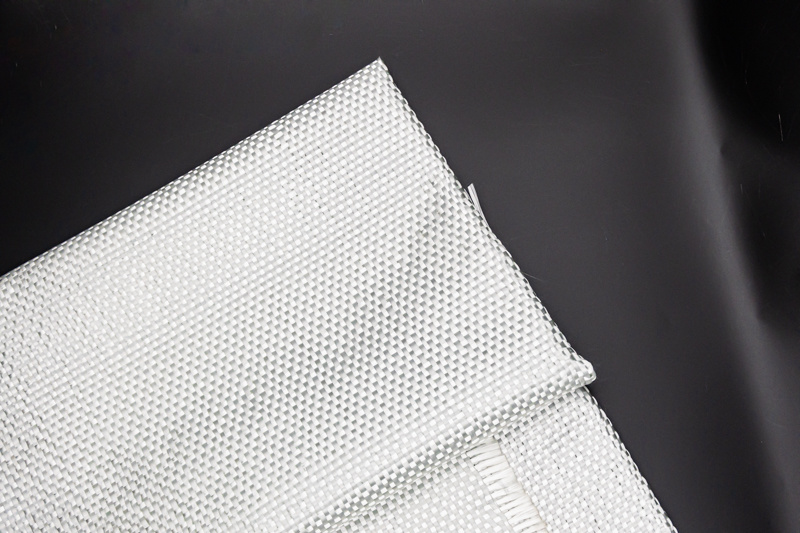
Woven Roving Revolution: The Heavyweight Champion Reshaping Composite Manufacturing
2026-06-16

Революция тканого ровинга: как стеклоткань меняет подход к высоконагруженным композитам
2026-06-12

We produce building materials with glass fiber as the main product.Production headquarters is located in Xiongan New District.


Contact
Room 209, Building S6, 001 Baojing Road North, xiongxian, Baoding, Hebei

Learn more