Welcome To Hebei Xiongan Hengyun Technology Co., Ltd.
 Esperanto
 Shqiptare
 Euskara
 Zulu
 Latinus
 Cymraeg
 தமிழ்
 Slovak
 Slovak
 Afrikaans



Fiberglass Mesh: The Invisible Force Building a More Resilient World
2026-01-19
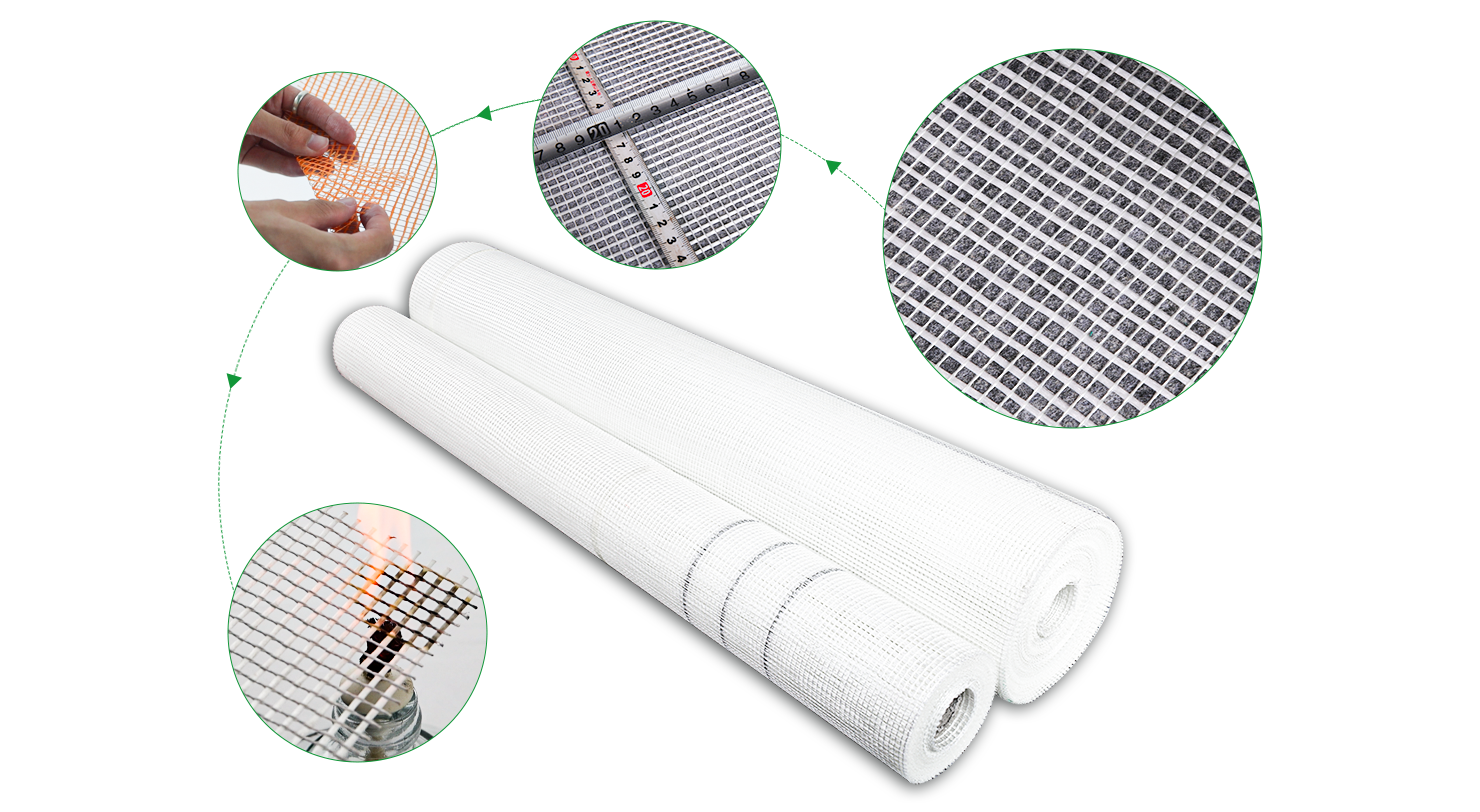

In an age where innovation often leans toward the complex and digital, one of the most impactful advancements in the physical world remains elegantly simple: fiberglass mesh. This unassuming grid of glass fiber strands is a foundational technology, quietly revolutionizing industries by providing strength, flexibility, and durability where it matters most. Far from being just a construction accessory, fiberglass mesh has become an indispensable tool for building safer, more energy-efficient, and longer-lasting structures, embodying the principle that true resilience often lies in intelligent reinforcement.
The core superpower of fiberglass mesh is its ability to distribute stress and prevent cracks. In construction, its primary domain, it is the silent guardian within walls and facades. Embedded within exterior insulation and finish systems (EIFS) and stucco, the mesh acts as a flexible skeleton. As buildings naturally expand, contract, and settle, the mesh absorbs and disperses these forces, preventing the hairline cracks that can compromise a building’s weatherproof seal and aesthetic integrity. This translates directly into tangible benefits for homeowners and developers: structures that maintain their pristine appearance for decades, significantly reduced maintenance costs, and enhanced protection against moisture intrusion that can lead to mold and structural decay.
Beyond mere crack prevention, fiberglass mesh is a critical enabler of the green building revolution. Its role in EIFS is particularly vital for energy conservation. These high-performance insulated cladding systems, reliant on the mesh for their structural cohesion, create a continuous thermal blanket around a building. This dramatically reduces thermal bridging—the leakage of heat through walls—leading to exceptional energy efficiency, lower utility bills, and a substantial reduction in carbon footprint. Furthermore, the material itself is inorganic, impervious to rot and corrosion, and contributes to healthier indoor environments by resisting mold growth. By extending the lifespan of building exteriors and improving their performance, fiberglass mesh is a key component in constructing a more sustainable future.
The material’s versatility propels its influence far beyond exterior walls. It is equally crucial indoors, reinforcing drywall seams to create flawlessly smooth surfaces and providing a stable, crack-resistant base for tile and stonework. In infrastructure, it reinforces pipelines and flooring. Its applications even extend into creative and industrial realms: artists use it for sculptural forms, manufacturers embed it in composites to create strong, lightweight products, and it plays a role in specialized filtration systems. This wide-ranging utility stems from its unique combination of high tensile strength, lightweight nature, and resistance to chemicals and temperature extremes.
Innovation within the fiberglass mesh industry continues to push boundaries. Manufacturers are developing products with advanced coatings for superior alkali resistance and adhesion, ensuring compatibility with modern, high-performance mortars and renders. There is a growing focus on sustainability, with producers integrating recycled materials into the manufacturing process. The rise of prefabrication and modular construction also highlights the mesh's value, as its consistent quality and ease of integration are perfectly suited for precision factory-based building methods.
Ultimately, fiberglass mesh represents a profound understanding of material science applied to real-world challenges. It proves that enhancing durability does not require excessive bulk or weight, but rather intelligent design that works in harmony with natural forces. It moves the construction industry away from a paradigm of repair and toward one of enduring prevention. As we face global challenges like climate change and resource scarcity, the demand for building materials that offer longevity, efficiency, and versatility will only grow. Fiberglass mesh, this invisible grid of strength, stands ready to meet that demand, proving itself as an essential, if unseen, partner in building a more resilient and sustainable world for generations to come.
Fiberglass Mesh ,Crack Reinforcement ,EIFS,Construction Material,Sustainable Building,Structural Integrity
Related news



We produce building materials with glass fiber as the main product.Production headquarters is located in Xiongan New District.


Contact
Room 209, Building S6, 001 Baojing Road North, xiongxian, Baoding, Hebei

Learn more