Welcome To Hebei Xiongan Hengyun Technology Co., Ltd.
language
English
العربية
বাংলাদেশ
Български
Hrvatski
Česky
Dansk
Nederland
 Esperanto
Slovenski
Filipino
Suomi
Français
Maori
 Shqiptare
Georgian
 Euskara
Deutsch
Ελλάδα
ישראל
इंडिया
Magyarország
Ísland
Indonesia
Irlanda
Italia
日本語
Sovensko
Հայաստան
한국
Kyrgyz
ປະເທດລາວ
 Zulu
Latvian
Lithuanian
Luxembourgish
 Latinus
Macedonian
Малайская
Maltese
Монгол улс
 Cymraeg
ဗမာ
 தமிழ்
नेपाल
Norge
ایران
Polska
Portugal
România
Российская
Србија
 Slovak
Србија
 Slovak
Bosanski
Slovenian
Беларус
España
Sverige
Точик
ประเทศไทย
Türk
Azərbaycan
Uzbek
 Afrikaans
Việt Nam



The Future of Building Materials: Woven Roving – Revolutionizing Construction
2023-09-09
## Table of Contents
1. Introduction: Unraveling the Potential of Woven Roving
2. What is Woven Roving? Understanding the Basics
3. The Benefits of Woven Roving in Construction
4. Applications of Woven Roving in Modern Architecture
5. Innovations in Woven Roving Technology: Paving the Way for the Future
6. FAQs: Addressing Common Queries about Woven Roving
7. Conclusion: Embracing the Future with
## Table of Contents
1. Introduction: Unraveling the Potential of Woven Roving
2. What is Woven Roving? Understanding the Basics
3. The Benefits of Woven Roving in Construction
4. Applications of Woven Roving in Modern Architecture
5. Innovations in Woven Roving Technology: Paving the Way for the Future
6. FAQs: Addressing Common Queries about Woven Roving
7. Conclusion: Embracing the Future with Woven Roving
## 1. Introduction: Unraveling the Potential of Woven Roving
Woven roving is a game-changer in the construction industry, offering a myriad of possibilities for architects, engineers, and builders. With its exceptional strength, durability, and versatility, woven roving is set to redefine the way we design and construct buildings. In this article, we delve into the world of woven roving, exploring its applications, benefits, and the exciting innovations that lie ahead.
## 2. What is Woven Roving? Understanding the Basics
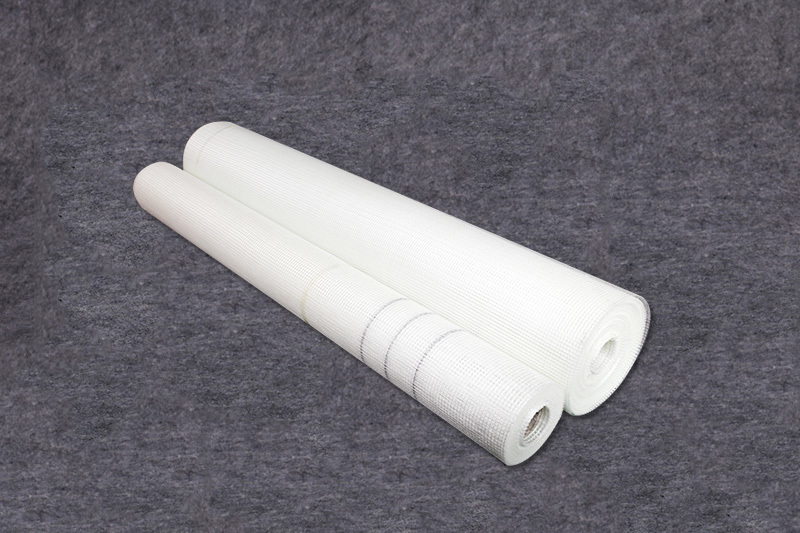
Woven roving is a type of reinforcement material used in composite materials, particularly in fiberglass-reinforced plastics (FRP). It consists of bidirectional, interlaced yarns, resulting in a strong and uniform fabric. The weaving process ensures evenly distributed strength throughout the material, making it ideal for various structural applications.
## 3. The Benefits of Woven Roving in Construction
3.1 Enhanced Strength and Durability
Woven roving's high tensile strength and impact resistance make it an excellent choice for structural components. It reinforces building materials, extending their lifespan and enhancing overall structural integrity.
3.2 Versatility and Adaptability
Woven roving can be combined with different resins and fibers, allowing builders to customize its properties based on specific project requirements. Its adaptability makes it suitable for a wide range of construction applications, from roofing systems to prefabricated panels.
3.3 Lightweight and Cost-Effective
Compared to traditional materials like steel, woven roving offers a lightweight alternative that reduces transportation and installation costs. Its low maintenance requirements contribute to long-term cost savings.
3.4 Fire Resistance and Safety
Woven roving can be engineered to meet fire safety regulations, offering an added layer of protection in construction. Its resistance to fire enhances the safety of buildings, making it a preferred choice in many architectural designs.
## 4. Applications of Woven Roving in Modern Architecture
4.1 Reinforced Concrete Structures
Woven roving finds extensive application in reinforcing concrete structures, such as beams, columns, and walls. Its exceptional strength enhances the load-bearing capacity of these elements, ensuring the longevity and stability of the overall structure.
4.2 Façade Systems
Architects and designers appreciate woven roving for its aesthetic appeal and flexibility in creating unique façade systems. The material can be molded into various shapes, offering endless design possibilities while maintaining durability and weather resistance.
4.3 Renewable Energy Solutions
Woven roving plays a vital role in the development of renewable energy solutions, such as wind turbine blades and solar panels. Its lightweight nature and high strength-to-weight ratio make it an ideal choice for these applications, enhancing energy efficiency and sustainability.
## 5. Innovations in Woven Roving Technology: Paving the Way for the Future
The future of woven roving holds exciting possibilities with ongoing research and technological advancements. Here are some key innovations shaping the industry:
5.1 Nanotechnology Integration
Researchers are exploring ways to integrate nanotechnology into woven roving, aiming to enhance its mechanical properties, reduce material consumption, and improve overall performance. These advancements are set to revolutionize the construction industry further.
5.2 Smart Woven Roving
With the rise of smart buildings, woven roving is evolving to incorporate sensors and connectivity. This integration enables real-time monitoring of structural performance, facilitating predictive maintenance and ensuring optimal safety.
5.3 Sustainable Manufacturing
Manufacturers are increasingly adopting eco-friendly practices to produce woven roving. From utilizing recycled materials to reducing carbon emissions, sustainable manufacturing ensures a greener future for the construction industry.
## 6. FAQs: Addressing Common Queries about Woven Roving
FAQ 1: Is woven roving suitable for both residential and commercial construction?
FAQ 2: How does woven roving compare to traditional reinforcement materials like steel?
FAQ 3: Can woven roving be used in high-temperature applications?
FAQ 4: What are the maintenance requirements for structures reinforced with woven roving?
FAQ 5: How does woven roving contribute to sustainable construction practices?
## 7. Conclusion: Embracing the Future with Woven Roving
As the construction industry seeks innovative solutions to meet evolving demands, woven roving emerges as a frontrunner in building materials. Its remarkable strength, versatility, and potential for further advancements make it a key player in shaping the future of construction. By embracing woven roving, architects, engineers, and builders can create structures that are not only aesthetically pleasing but also sustainable, durable, and safe. The journey into the future of building materials starts now, and woven roving paves the way for a revolution.
woven roving
Related news



We produce building materials with glass fiber as the main product.Production headquarters is located in Xiongan New District.


Contact
Room 209, Building S6, 001 Baojing Road North, xiongxian, Baoding, Hebei

Learn more