Welcome To Hebei Xiongan Hengyun Technology Co., Ltd.
language
English
العربية
বাংলাদেশ
Български
Hrvatski
Česky
Dansk
Nederland
 Esperanto
Slovenski
Filipino
Suomi
Français
Maori
 Shqiptare
Georgian
 Euskara
Deutsch
Ελλάδα
ישראל
इंडिया
Magyarország
Ísland
Indonesia
Irlanda
Italia
日本語
Sovensko
Հայաստան
한국
Kyrgyz
ປະເທດລາວ
 Zulu
Latvian
Lithuanian
Luxembourgish
 Latinus
Macedonian
Малайская
Maltese
Монгол улс
 Cymraeg
ဗမာ
 தமிழ்
नेपाल
Norge
ایران
Polska
Portugal
România
Российская
Србија
 Slovak
Србија
 Slovak
Bosanski
Slovenian
Беларус
España
Sverige
Точик
ประเทศไทย
Türk
Azərbaycan
Uzbek
 Afrikaans
Việt Nam



Creating Stunning Visual Effects with Woven Roving in Architecture: Harnessing the Power of Textile-based Design
2023-09-09
## Table of Contents
1. Introduction: Unleashing the Potential of Woven Roving in Architecture
2. Understanding Woven Roving: A Textile Marvel for Architects
3. Weaving Wonders: Techniques and Applications in Architectural Design
4. Integrating Woven Roving in Building Structures: Aesthetic and Functional Aspects
5. Woven Roving and Interior Design: Elevating Spaces with Textile Artistry
6. Sustai
## Table of Contents
1. Introduction: Unleashing the Potential of Woven Roving in Architecture
2. Understanding Woven Roving: A Textile Marvel for Architects
3. Weaving Wonders: Techniques and Applications in Architectural Design
4. Integrating Woven Roving in Building Structures: Aesthetic and Functional Aspects
5. Woven Roving and Interior Design: Elevating Spaces with Textile Artistry
6. Sustainability and Woven Roving: A Green Approach to Architectural Design
7. Frequently Asked Questions (FAQs)
8. Conclusion: Weaving a New Era of Architectural Marvels
## Introduction: Unleashing the Potential of Woven Roving in Architecture
Architecture has always been a medium of artistic expression and a conduit for innovation. In recent years, designers and architects have begun embracing unconventional materials and techniques to push the boundaries of what is possible in architectural design. One such material that has been gaining traction is woven roving. With its unique properties and visual appeal, woven roving offers a myriad of possibilities for creating stunning visual effects that leave a lasting impression on anyone who encounters them.
## Understanding Woven Roving: A Textile Marvel for Architects
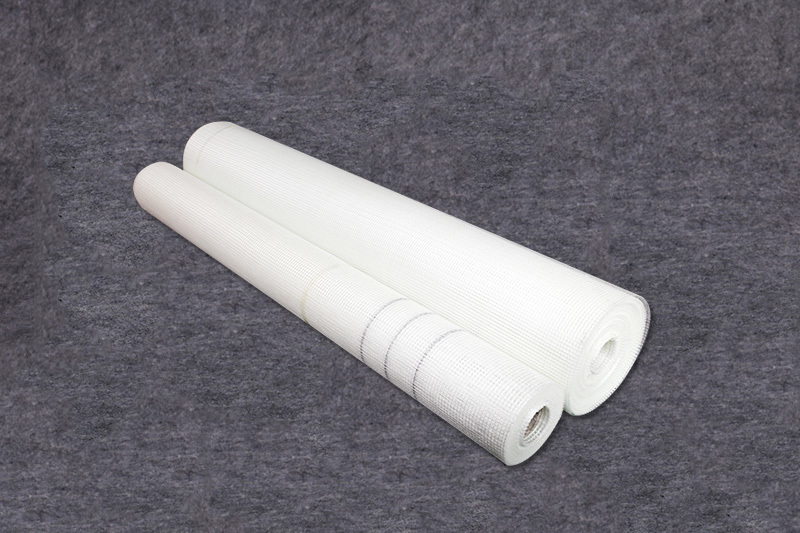
Woven roving is a specialized type of fabric that consists of interwoven strands of fiberglass. Its distinct texture and structural integrity make it an ideal material for architectural design. Architects can leverage the natural strength and flexibility of woven roving to create intricate patterns, shapes, and forms that redefine traditional notions of architectural aesthetics.
## Weaving Wonders: Techniques and Applications in Architectural Design
The versatility of woven roving allows architects to experiment with various techniques to achieve unique visual effects. By employing techniques such as layering, folding, and draping, architects can create three-dimensional structures that appear to defy gravity and challenge conventional design norms. The interplay of light and shadow on the textured surface of woven roving further enhances the visual impact, creating an immersive experience for the viewer.
## Integrating Woven Roving in Building Structures: Aesthetic and Functional Aspects
The integration of woven roving in building structures goes beyond aesthetics and offers functional benefits as well. Its lightweight nature makes it an excellent choice for creating large-scale architectural elements without compromising structural integrity. Additionally, woven roving's durability and weather-resistant properties make it suitable for both interior and exterior applications, ensuring longevity and minimal maintenance.
## Woven Roving and Interior Design: Elevating Spaces with Textile Artistry
Interior designers have recognized the potential of woven roving to transform ordinary spaces into extraordinary works of art. By incorporating woven roving into interior design elements such as partitions, wall panels, and ceilings, designers can introduce a visually captivating element that adds depth, texture, and dimension to the space. The interplay of light and shadow on the woven roving surface creates a dynamic ambiance and brings a sense of warmth and intimacy to the environment.
## Sustainability and Woven Roving: A Green Approach to Architectural Design
In an era where sustainability is a key consideration in architectural design, woven roving offers a green approach that aligns with eco-conscious principles. Since woven roving is primarily composed of fiberglass, a material known for its recyclability, it can be repurposed at the end of its lifespan, minimizing waste and reducing environmental impact. Furthermore, woven roving's energy-efficient properties contribute to the overall sustainability of a building by reducing energy consumption and enhancing thermal insulation.
## Frequently Asked Questions (FAQs)
### Q1: What are the advantages of using woven roving in architecture?
Using woven roving in architecture offers several advantages. Its unique texture and visual appeal add an element of intrigue to architectural designs. Additionally, its lightweight nature, durability, and weather-resistant properties make it suitable for various applications, both indoors and outdoors.
### Q2: Can woven roving be used in residential architecture?
Absolutely! Woven roving is a versatile material that can be seamlessly integrated into residential architecture. From creating captivating facades to enhancing interior spaces, woven roving adds a touch of elegance and sophistication to homes.
### Q3: Is woven roving difficult to maintain?
Not at all! Woven roving requires minimal maintenance. Regular cleaning and occasional inspection are sufficient to ensure its longevity and preserve its visual appeal.
### Q4: Can woven roving be combined with other materials?
Certainly! Woven roving can be combined with other materials such as concrete, glass, and metal to create unique design compositions. The combination of different materials adds depth and complexity to architectural elements.
### Q5: Are there any limitations to using woven roving in architecture?
While woven roving offers tremendous design possibilities, it is essential to consider factors such as structural requirements, load-bearing capacity, and building codes. Consulting with experts and engineers during the design phase ensures the appropriate use of woven roving while adhering to safety standards.
## Conclusion: Weaving a New Era of Architectural Marvels
In conclusion, woven roving opens up a world of endless possibilities for architects and designers. Its ability to create stunning visual effects, its versatility in form and texture, and its contribution to sustainable design make it a valuable addition to the architectural toolkit. By harnessing the power of woven roving, architects can truly transcend the boundaries of conventional design and create awe-inspiring architectural masterpieces that captivate the senses and stand the test of time. Embrace the potential of woven roving and embark on a journey of innovation, creativity, and limitless imagination.
woven roving
Related news



We produce building materials with glass fiber as the main product.Production headquarters is located in Xiongan New District.


Contact
Room 209, Building S6, 001 Baojing Road North, xiongxian, Baoding, Hebei

Learn more