Welcome To Hebei Xiongan Hengyun Technology Co., Ltd.
 Esperanto
 Shqiptare
 Euskara
 Zulu
 Latinus
 Cymraeg
 தமிழ்
 Slovak
 Slovak
 Afrikaans



New Insights into Fiberglass Mesh Cloth: A Multifaceted Building Essential
2025-02-20
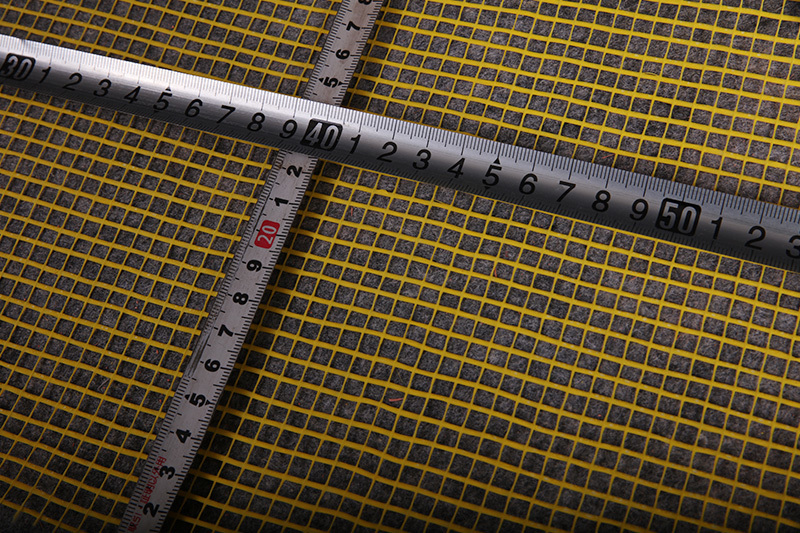
In the world of construction and various industrial applications, fiberglass mesh cloth has emerged as a versatile and indispensable material. This article aims to provide a comprehensive overview of this remarkable product, exploring its composition, properties, applications, and the latest industry trends.
Composition and Manufacturing
Fiberglass mesh cloth is primarily made from extremely fine glass fibers. These fibers are first spun into yarns, which are then woven or knitted together to form the characteristic mesh structure. The manufacturing process involves advanced techniques to ensure consistent quality and precision. High - quality raw materials are crucial, and manufacturers often use E - glass (alkali - free glass) due to its excellent mechanical properties, chemical resistance, and electrical insulation characteristics.
During production, the glass fibers may be treated with special coatings or finishes. These coatings can enhance the cloth's performance in different ways, such as improving its adhesion to other materials, increasing its water - resistance, or providing additional protection against UV radiation.
Physical and Chemical Properties
✔Strength and Durability
One of the most notable properties of fiberglass mesh cloth is its high tensile strength. It can withstand significant pulling and stretching forces without tearing or deforming, making it ideal for applications that require reinforcement. Additionally, it is highly durable, resistant to wear and tear, and has a long service life. This durability is further enhanced by its resistance to rot, mildew, and insect damage, which are common concerns in construction materials.
✔Flexibility and Malleability
Despite its strength, fiberglass mesh cloth is relatively flexible. It can be easily bent, folded, or shaped to fit various contours and surfaces. This flexibility makes it convenient for installation in different settings, whether it's conforming to the curves of a decorative element or being wrapped around pipes for insulation purposes.
✔Chemical Resistance
Fiberglass mesh cloth exhibits excellent chemical resistance. It is not easily affected by acids, alkalis, and many other chemicals, which makes it suitable for use in environments where exposure to corrosive substances is possible. This property also contributes to its long - term stability and reliability in different applications.
✔Thermal and Electrical Insulation
Glass fibers have natural insulating properties. Fiberglass mesh cloth can act as a thermal insulator, helping to reduce heat transfer in buildings and industrial equipment. Moreover, it is a good electrical insulator, making it useful in electrical and electronic applications where insulation is required to prevent short - circuits and ensure safety.
✔Fire Resistance
Another important property of fiberglass mesh cloth is its fire - resistant nature. Glass fibers do not burn easily and can withstand high temperatures without melting or releasing toxic fumes. This makes it an essential material in fire - safety applications, such as fire - rated partitions and insulation in buildings.
Applications
✔Construction Industry
- Wall Reinforcement: In building construction, fiberglass mesh cloth is commonly used to reinforce plaster, stucco, and drywall. When applied to the surface of these materials, it adds strength and prevents cracking, especially in areas prone to movement or stress, such as corners and joints.
- Roofing: It is used in roofing systems as a reinforcement layer in bituminous membranes. The mesh cloth helps to increase the tensile strength of the membrane, improving its resistance to weathering, UV radiation, and mechanical stress. This results in a longer - lasting and more reliable roofing system.
- Exterior Insulation and Finish Systems (EIFS): Fiberglass mesh cloth is a key component of EIFS. It is embedded in the base coat of the system, providing reinforcement and enhancing the overall durability and weather - resistance of the exterior wall finish.
✔Industrial Applications
- Pipe Insulation: In industrial settings, fiberglass mesh cloth is used to wrap pipes for insulation purposes. It helps to reduce heat loss from hot pipes and prevent condensation on cold pipes. The cloth's flexibility allows it to be easily wrapped around pipes of different diameters and shapes.
- Filtration: Some types of fiberglass mesh cloth are used in filtration systems. Its fine mesh structure can effectively trap particles of various sizes, making it suitable for applications such as air filtration in industrial plants and liquid filtration in chemical processes.
✔DIY and Craft Projects
Fiberglass mesh cloth has also found its way into the DIY and craft world. It can be used for creating lightweight and strong structures, such as sculptures, model making, and even some types of furniture. Its ease of use and versatility make it a popular choice among hobbyists and artisans.
Latest Industry Trends
✔Sustainable Manufacturing
With the growing emphasis on environmental sustainability, the fiberglass mesh cloth industry is moving towards more eco - friendly manufacturing practices. This includes using recycled glass fibers in production, reducing energy consumption during the manufacturing process, and minimizing waste generation.
✔Advanced Coating Technologies
Manufacturers are constantly researching and developing new coating technologies to further enhance the performance of fiberglass mesh cloth. These advanced coatings can provide additional functionality, such as self - cleaning properties, antimicrobial protection, and improved adhesion to new types of substrates.
✔Customization
There is an increasing demand for customized fiberglass mesh cloth products. Customers are looking for specific mesh sizes, shapes, and properties to meet their unique application requirements. Manufacturers are responding by offering more customization options, allowing for greater flexibility in product design.
In conclusion, fiberglass mesh cloth continues to play a vital role in numerous industries due to its outstanding properties and wide range of applications. As technology advances and market demands evolve, we can expect to see further innovation and development in this field, making fiberglass mesh cloth an even more valuable material in the future.
Anti - ultraviolet,Waterproof ,Precision - woven,Well - finished,Wall Reinforcement,Fire Resistance,Thermal and Electrical Insulation,Chemical Resistance,Strength
Related news



We produce building materials with glass fiber as the main product.Production headquarters is located in Xiongan New District.


Contact
Room 209, Building S6, 001 Baojing Road North, xiongxian, Baoding, Hebei

Learn more