Welcome To Hebei Xiongan Hengyun Technology Co., Ltd.
 Esperanto
 Shqiptare
 Euskara
 Zulu
 Latinus
 Cymraeg
 தமிழ்
 Slovak
 Slovak
 Afrikaans



Fiberglass Mesh: A Versatile and Indispensable Material
2025-03-06
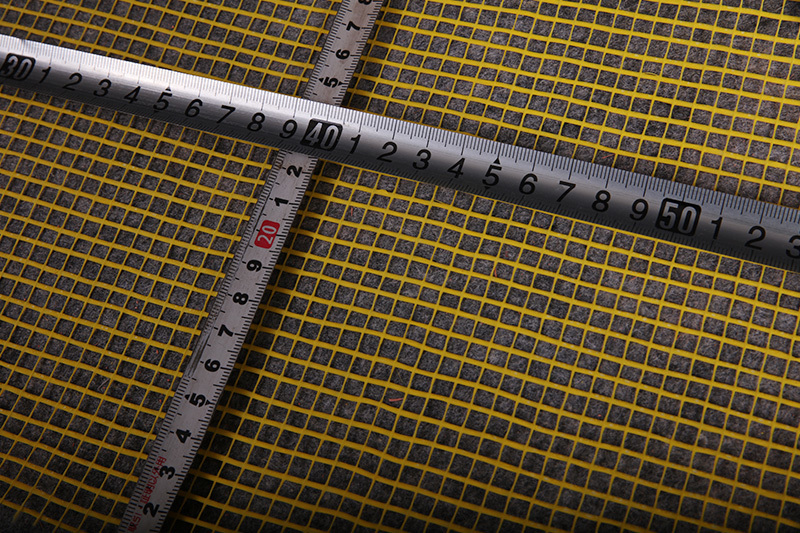
What is Fiberglass Mesh ?
Fiberglass mesh is a fabric made from extremely fine glass fibers. These fibers are woven together in a mesh pattern, creating a strong and flexible material. The glass fibers used are typically made from high-quality E-glass, which offers excellent mechanical properties and chemical resistance. The mesh structure allows for easy handling and application, while also providing the necessary strength and reinforcement.
Key Properties
- High Tensile Strength: Fiberglass mesh cloth exhibits remarkable tensile strength, meaning it can withstand significant pulling and stretching forces without breaking. This property makes it ideal for applications where reinforcement is required, such as in the construction of walls, ceilings, and roofs.
- Excellent Chemical Resistance: It is highly resistant to a wide range of chemicals, including acids, alkalis, and solvents. This makes it suitable for use in environments where chemical exposure is a concern, such as in industrial facilities and chemical processing plants.
- Fire Resistance: Fibrglass mesh is non-combustible and has a high melting point, making it an excellent choice for fire-resistant applications. It can help prevent the spread of flames and provide additional protection in case of a fire.
- Weather Resistance: The material is highly resistant to weathering, including sunlight, moisture, and temperature variations. This ensures its long-term durability and performance, even in harsh outdoor conditions.
- Dimensional Stability: Fiberglass mesh cloth maintains its shape and size under different environmental conditions, providing consistent performance over time. This property is crucial for applications where precise dimensions are required.
Applications
- Construction Industry:
-
- Reinforcement in Plaster and Render Systems: Fiberglass mesh is commonly used to reinforce plaster and render coatings on walls and ceilings. It helps to prevent cracking, improve the adhesion of the coating, and enhance the overall strength and durability of the finish.
-
- Tile Backer Boards: It is used as a reinforcement material in tile backer boards, providing added strength and stability to support the weight of tiles.
-
- Insulation Systems: Fiberglass mesh cloth is often incorporated into insulation systems, such as exterior insulation and finish systems (EIFS), to improve the integrity and performance of the insulation.
- Automotive and Aerospace Industries:
-
- Composite Materials: Fiberglass mesh cloth is widely used in the production of composite materials for automotive and aerospace applications. It is combined with resins to create lightweight and strong components, such as body panels, wings, and fuselages.
-
- Interior Trim and Decorative Parts: The material is also used in the manufacture of interior trim and decorative parts, providing a smooth and durable surface.
- Marine Industry:
-
- Boat Building: Fiberglass mesh is an essential component in boat building, where it is used to reinforce the hull and other structural parts. It helps to improve the strength and stiffness of the boat, while also reducing its weight.
-
- Repairs and Maintenance: It is also used for repairs and maintenance of boats, providing a cost-effective and reliable solution for fixing damaged areas.
- Other Applications:
-
- Agriculture: Fiberglass mesh cloth is used in agricultural applications, such as greenhouse construction and crop protection. It helps to provide support and protection for plants, while also allowing for proper ventilation and light transmission.
-
- Geotextiles: The material is used as geotextiles in civil engineering projects, such as road construction, soil stabilization, and erosion control. It helps to improve the performance and durability of the infrastructure.
-
- Filtration and Screening: fiberglass mesh cloth is used in filtration and screening applications, where it is used to separate particles and fluids based on their size. It is commonly used in industries such as food and beverage, pharmaceuticals, and water treatment.
Production Process
The production of fiberglass mesh cloth involves several steps:
- Glass Fiber Manufacturing: The first step is the production of glass fibers. High-quality glass raw materials are melted and drawn into fine filaments through a process called fiber drawing. The filaments are then coated with a sizing agent to improve their handling and compatibility with resins.
- Weaving: The glass fibers are woven together using specialized weaving machines to create the mesh pattern. The weaving process can be customized to produce different mesh sizes, thread counts, and fabric weights to meet the specific requirements of various applications.
- Coating and Finishing: After weaving, the fiberglass mesh cloth may be coated with additional materials, such as resins, polymers, or flame retardants, to enhance its performance and properties. The coating process can also improve the adhesion of the cloth to other materials and provide additional protection against environmental factors.
- Quality Control: Throughout the production process, strict quality control measures are implemented to ensure that the glass fiber mesh cloth meets the required standards. This includes testing for tensile strength, dimensional stability, chemical resistance, and other properties.
Conclusion
Fiberglass mesh is a highly versatile and indispensable material that offers a wide range of benefits in various industries. Its unique properties, such as high tensile strength, excellent chemical resistance, fire resistance, weather resistance, and dimensional stability, make it an ideal choice for applications where reinforcement, protection, and durability are required. With its increasing demand in the global market, the production and use of fiberglass mesh cloth are expected to continue to grow in the coming years. Whether in construction, automotive, aerospace, marine, or other industries, fiberglass mesh cloth will undoubtedly play a crucial role in shaping the future of these sectors.
High - strength,Tough,Lightweight,Flexible,Chemical - resistant,Weather - resistant,Reinforcing,Filtration - efficient,Filtration - efficient
Related news



We produce building materials with glass fiber as the main product.Production headquarters is located in Xiongan New District.


Contact
Room 209, Building S6, 001 Baojing Road North, xiongxian, Baoding, Hebei

Learn more