Welcome To Hebei Xiongan Hengyun Technology Co., Ltd.
 Esperanto
 Shqiptare
 Euskara
 Zulu
 Latinus
 Cymraeg
 தமிழ்
 Slovak
 Slovak
 Afrikaans



Breaking Ground: Fiberglass Mesh Revolution Reshapes Global Construction
2025-05-27
Introduction
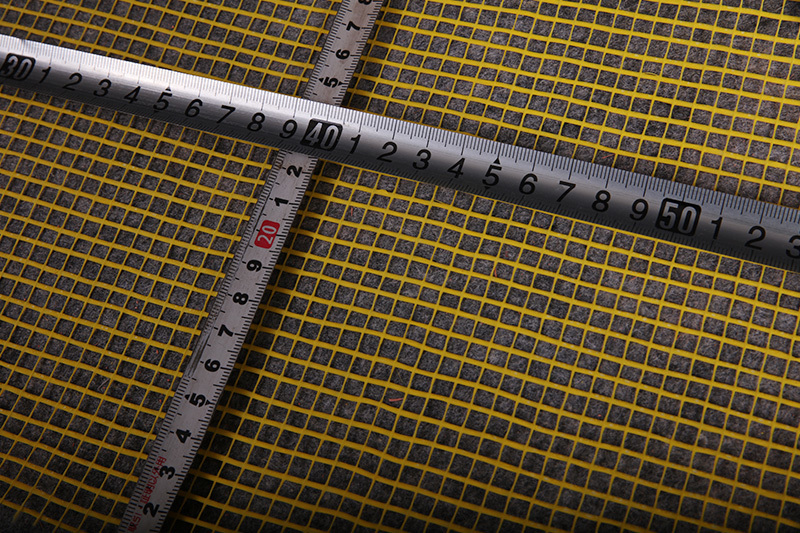
The construction industry constantly seeks materials offering enhanced performance, sustainability, and cost-effectiveness. Fiberglass Mesh, a lightweight yet robust material composed of interwoven glass fibers, has emerged as a pivotal innovation, fundamentally altering traditional building practices. Its escalating importance stems from its ability to reinforce and protect various construction systems while delivering superior durability and efficiency.
Understanding Fiberglass Mesh: The Science Behind the Strength
Definition and Composition
- Glass Fiber Types:
- E-glass: Standard, general-purpose fiberglass with good strength and electrical insulation properties (DataIntelo).
- AR-glass: Alkali-resistant glass containing zirconium dioxide for use in cementitious environments (DataIntelo).
- Weave Types: Typically produced using a leno weave, creating a stable, open-grid structure (fiberglasswiremesh.com).
- Coatings: Polymers like alkali-resistant latex or PVC enhance properties for specific applications (Shanghai Ruifiber Industry Co., Ltd.).
Core Performance Metrics
- Tensile Strength: High strength-to-weight ratio, with E-glass meshes having tensile strengths of ≥1700 N/50mm in warp and ≥1900 N/50mm in weft direction (ADFORS R117 TDS).
- Alkali Resistance: Critical for cement compatibility, retaining significant tensile strength after exposure to alkaline solutions.
- Weight/Density: Typically ranges from 50g/m² to over 300g/m² depending on application.
Revolutionizing Construction: Key Applications
Exterior Insulation and Finish Systems (EIFS)
- Traditional Challenges: Cracking due to thermal stresses, impact damage, and insufficient long-term durability.
- Fiberglass Mesh Solution: Alkali-resistant fiberglass mesh embedded in the base coat layer distributes stresses, absorbs impacts, and stabilizes the system (Ruifiber).
- Benefits: Enhanced durability, crack resistance, impact resistance, improved thermal performance, and extended building envelope lifespan.
Plaster and Stucco Reinforcement
- Traditional Challenges: Surface cracking, telegraphing of joints, and difficulty achieving durable repairs.
- Fiberglass Mesh Solution: Alkali-resistant mesh embedded in the base coat, with self-adhesive tapes for repairs (Nippon Paint CMI Mesh).
- Benefits: Prevents crack propagation, provides stable repairs, increases mechanical strength, and simplifies work.
Concrete Reinforcement
- Traditional Challenges: Concrete's brittleness, shrinkage cracks, and corrosion of steel mesh.
- Fiberglass Mesh Solution: Used for controlling shrinkage and temperature cracking in slabs, overlays, and precast elements (Fiberglass Mesh Factory).
- Benefits: Effective crack control, corrosion resistance, lightweight handling, and improved surface properties.
Waterproofing and Backing Material
- Applications: Reinforcement for waterproofing membranes, roofing materials, and backing for stone/mosaics.
- Benefits: Enhanced waterproofing integrity, increased tear resistance, and improved handling of fragile materials.
Advantages Over Traditional Materials
-
Superior Strength-to-Weight Ratio
Significantly lighter than steel mesh while maintaining excellent tensile strength, resulting in easier handling, faster installation, and reduced labor costs (NQGlassfiber).
-
Exceptional Corrosion Resistance
Unlike steel, fiberglass does not rust or deteriorate when exposed to moisture, alkaline environments, or chemicals, ensuring longer-lasting structural integrity (Yadong Wire Mesh).
-
Enhanced Durability and Workability
Excellent resistance to chemical attack and temperature fluctuations, with flexibility that allows it to conform to various surface contours. Can be cut with simple tools, streamlining the installation process (Ruifiber).
Conclusion: Building the Future with Fiberglass Mesh
Fiberglass mesh has established itself as a revolutionary material in construction through its unique combination of strength, lightweight properties, durability, and corrosion resistance. Its ability to enhance structural integrity and operational efficiency makes it invaluable for creating resilient, sustainable buildings.
While challenges remain in production sustainability and end-of-life management, ongoing advancements in manufacturing processes, material composition, and application techniques point to a promising future. As construction evolves toward higher performance standards and greater sustainability, fiberglass mesh will continue to play a critical role in shaping a more robust and enduring built environment worldwide.
Fiberglass Mesh,Construction Innovation, EIFS,Durability,Corrosion Resistance,Sustainable Building
Related news



We produce building materials with glass fiber as the main product.Production headquarters is located in Xiongan New District.


Contact
Room 209, Building S6, 001 Baojing Road North, xiongxian, Baoding, Hebei

Learn more