Welcome To Hebei Xiongan Hengyun Technology Co., Ltd.
 Esperanto
 Shqiptare
 Euskara
 Zulu
 Latinus
 Cymraeg
 தமிழ்
 Slovak
 Slovak
 Afrikaans



7628 Fiberglass Cloth: A Magical Material With Super Toughness And Excellent Insulation
2025-02-25
1. Definition and Basics
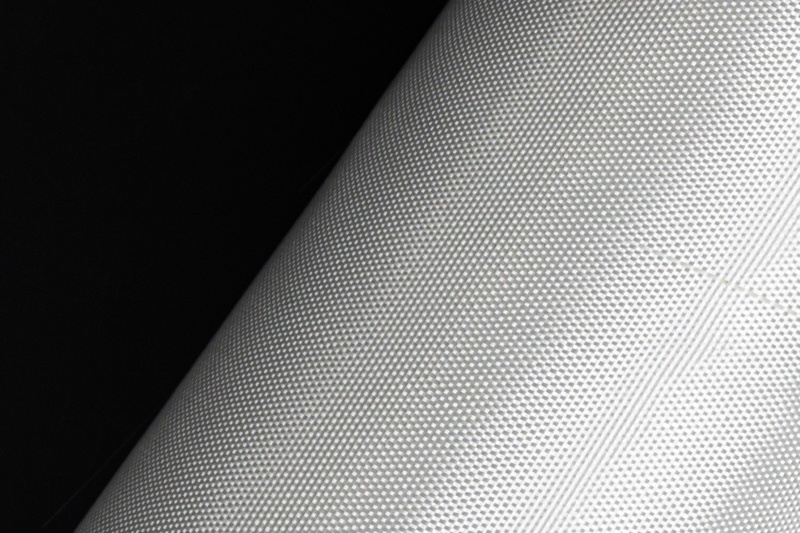
7628 fiberglass cloth is a type of high - performance fiberglass fabric widely used in various industries. It is named "7628" according to specific industry standards or product specifications. The fabric is primarily made from fine glass fibers, which are inorganic non - metallic materials known for their excellent physical and chemical properties.
2. Composition and Raw Materials
- Glass Fibers: The main component of 7628 fiberglass cloth is glass fibers. These fibers are typically produced from a mixture of raw materials such as silica sand, limestone, soda ash, and boron compounds. During the manufacturing process, these raw materials are melted at extremely high temperatures in a furnace. The molten glass is then extruded through tiny orifices to form fine filaments, which are further processed to create the fiberglass used in the cloth.
- Binder and Finishing Agents: In addition to the glass fibers, a binder is often used to hold the fibers together in the fabric structure. Some finishing agents may also be applied to enhance certain properties of the cloth, such as improving its handling characteristics, moisture resistance, or adhesion to other materials.
3. Manufacturing Process
- Fiber Formation: As mentioned earlier, the first step is to form the glass fibers. The raw materials are heated in a furnace until they reach a molten state. The molten glass is then forced through spinnerets, which are small holes in a plate. As the glass passes through these holes, it forms thin filaments. These filaments are rapidly cooled to solidify them.
- Weaving: The formed glass fibers are then spun into yarns. These yarns are used in a weaving process, where they are interlaced at right angles (warp and weft directions) on a loom to create the fabric structure. The weaving pattern and density can affect the properties of the final cloth. For 7628 fiberglass cloth, a specific weaving pattern and density are maintained to achieve the desired performance characteristics.
- Post - treatment: After weaving, the cloth may undergo post - treatment processes. This can include heat - setting to improve the dimensional stability of the fabric, and applying coatings or finishes to enhance its performance in terms of chemical resistance, water repellency, or electrical insulation.
4. Physical and Chemical Properties
Physical Properties
- High Tensile Strength: 7628 fiberglass cloth exhibits excellent tensile strength in both the warp and weft directions. This means it can withstand significant pulling forces without breaking, making it suitable for applications where structural reinforcement is required.
- Good Flexibility: Despite its high strength, the cloth has a certain degree of flexibility. It can be bent and curved without losing its integrity, allowing it to be used in applications where conformability is important, such as in molding processes.
- Low Weight: Fiberglass is a lightweight material, and 7628 fiberglass cloth inherits this property. This makes it an ideal choice for applications where weight reduction is crucial, while still maintaining strength requirements.
- Dimensional Stability: It has good dimensional stability, meaning it does not shrink or stretch significantly under normal conditions. This property is essential for applications where precise dimensions are required, such as in the manufacturing of printed circuit boards.
Chemical Properties
- Chemical Resistance: 7628 fiberglass cloth shows good resistance to a wide range of chemicals, including acids, alkalis, and many organic solvents. This makes it suitable for use in harsh chemical environments, such as in chemical processing plants or laboratories.
- Fire Resistance: Glass fibers are inherently fire - resistant, and 7628 fiberglass cloth is no exception. It does not support combustion easily and can withstand high temperatures without melting or releasing toxic fumes, making it valuable for fire - safety applications.
5. Electrical Properties
- Good Electrical Insulation: One of the key features of 7628 fiberglass cloth is its excellent electrical insulation properties. It has a high dielectric strength, which means it can withstand high voltages without conducting electricity. This property makes it a crucial material in the electronics industry, especially in the production of printed circuit boards (PCBs). In PCBs, the fiberglass cloth provides mechanical support and electrical insulation between the conductive layers.
6. Applications
Electronics Industry
- Printed Circuit Boards (PCBs): 7628 fiberglass cloth is widely used as a substrate material in the production of PCBs. Its high strength, dimensional stability, and excellent electrical insulation properties make it an ideal choice for supporting the conductive traces and components on the board. The cloth is typically impregnated with a resin (such as epoxy resin) and then laminated with copper foils to create the PCB structure.
- Electrical Insulation in Transformers and Motors: In transformers and electric motors, 7628 fiberglass cloth is used as an electrical insulation material. It helps to isolate the different electrical components and windings, preventing short - circuits and ensuring the safe and efficient operation of the equipment.
Composite Materials Manufacturing
- Aerospace and Aviation: In the aerospace industry, 7628 fiberglass cloth is used in the manufacturing of composite materials for aircraft components. When combined with resins, it forms strong and lightweight composites that are used in parts such as wings, fuselages, and tail sections. The high strength - to - weight ratio of the fiberglass cloth - based composites helps to reduce the weight of the aircraft, improving fuel efficiency and performance.
- Automotive Industry: In the automotive sector, it is used in the production of composite parts such as body panels, bumpers, and interior components. The use of 7628 fiberglass cloth in these applications helps to reduce the weight of the vehicle, which in turn improves fuel economy and handling.
Other Applications
- Industrial Filtration: Some types of 7628 fiberglass cloth are used in industrial filtration systems. Its fine - mesh structure can effectively trap particles of different sizes, making it suitable for filtering liquids and gases in various industrial processes.
- Building and Construction: In the building industry, it can be used for reinforcing plaster, stucco, and other building materials. It helps to improve the tensile strength and crack resistance of these materials, enhancing the durability of the building structures.
7. Market and Industry Trends
- Growing Demand in High - Tech Industries: With the continuous development of the electronics, aerospace, and automotive industries, the demand for 7628 fiberglass cloth is expected to increase. These industries require high - performance materials with excellent mechanical, electrical, and chemical properties, and 7628 fiberglass cloth meets these requirements.
- Sustainable Development: There is an increasing trend towards sustainable development in the fiberglass cloth industry. Manufacturers are exploring ways to use recycled glass fibers in the production of 7628 fiberglass cloth to reduce environmental impact. Additionally, efforts are being made to develop more environmentally friendly manufacturing processes and finishes.
- Technological Innovations: Ongoing research and development are focused on improving the properties of 7628 fiberglass cloth. This includes developing new weaving techniques, enhancing the performance of binders and finishes, and exploring the use of nanotechnology to further improve the material's strength, electrical insulation, and other properties.
high stretching, High - Tech Industries,Industrial Filtration,Automotive Industry,PCBs,Good Electrical Insulation,Fire Resistance,Chemical Resistance
Related news



We produce building materials with glass fiber as the main product.Production headquarters is located in Xiongan New District.


Contact
Room 209, Building S6, 001 Baojing Road North, xiongxian, Baoding, Hebei

Learn more