Welcome To Hebei Xiongan Hengyun Technology Co., Ltd.
 Esperanto
 Shqiptare
 Euskara
 Zulu
 Latinus
 Cymraeg
 தமிழ்
 Slovak
 Slovak
 Afrikaans



Innovation in Composites: Fiberglass Chopped Strand Mat Strengthens Its Role in Modern Manufacturing
2025-10-27
Introduction: The Unsung Hero of Composite Materials
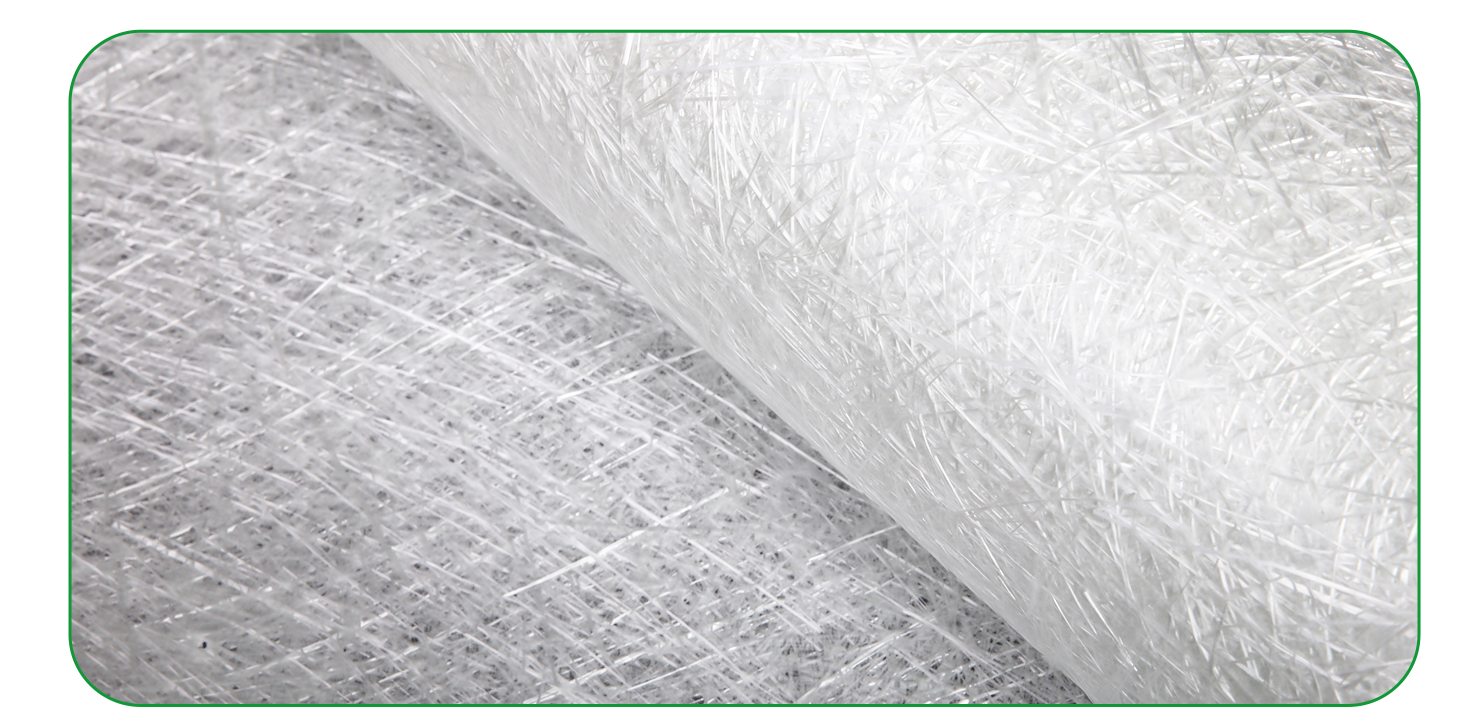
In the sprawling world of advanced materials, one product continues to be a foundational pillar for countless industries: Fiberglass Chopped Strand Mat (CSM). This non-woven material, consisting of randomly distributed glass fibers held together by a soluble binder, is experiencing a renaissance. As global manufacturing seeks efficient, durable, and economical solutions, CSM is proving to be an indispensable asset. Its unique properties make it the go-to choice for fabricators creating everything from sleek boat hulls to rugged chemical storage tanks, driving innovation from the ground up.
What Exactly is Fiberglass Chopped Strand Mat?
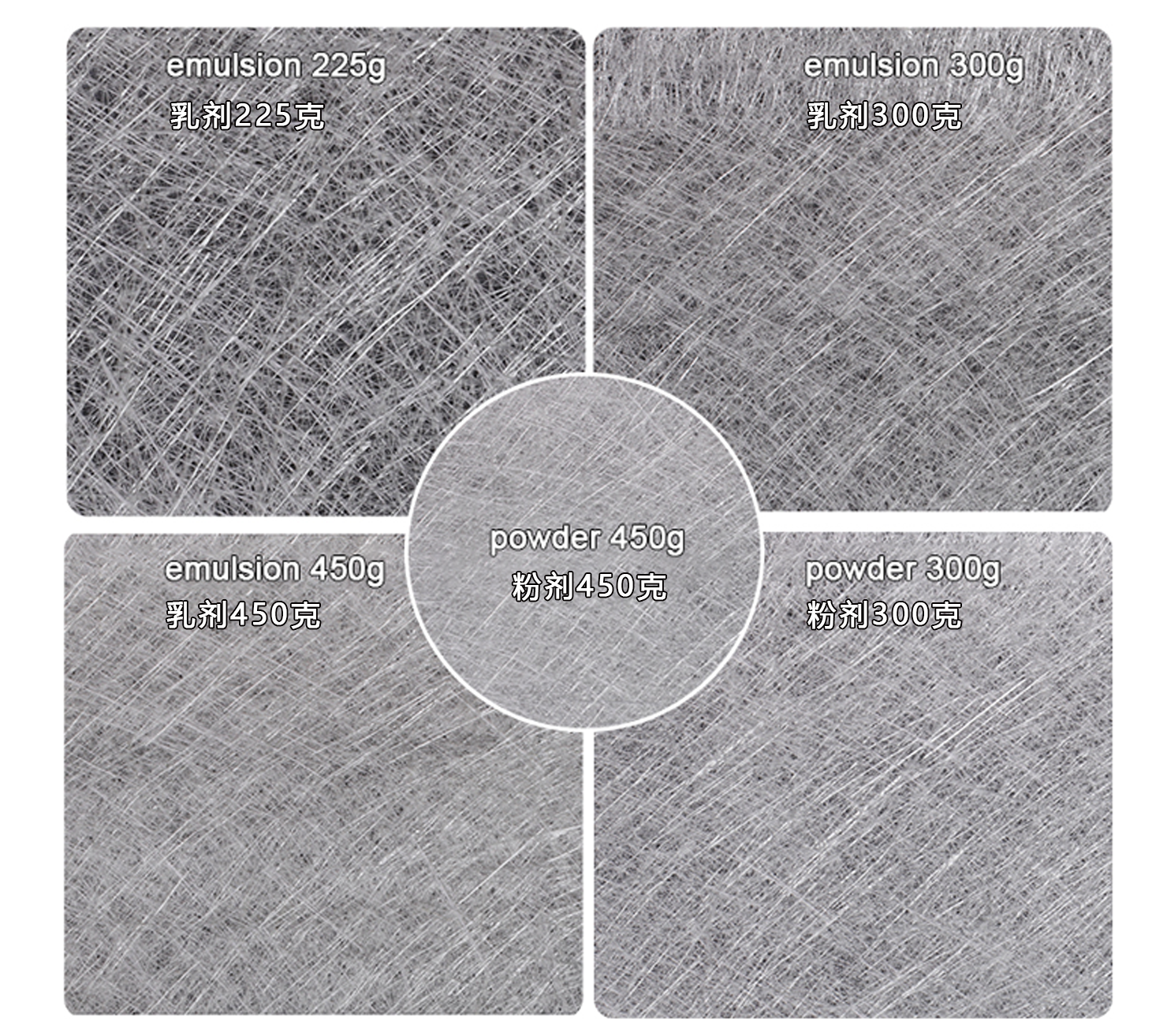
For the uninitiated, Chopped Strand Mat might seem like a simple, fluffy blanket of white material. In reality, it is a precisely engineered product. The "chopped strands" are short lengths of glass fiber, typically ranging from 25 to 50 mm, which are randomly oriented and distributed. This random orientation is key to its performance. A chemical binder, often a powdered or emulsion-based polyester resin, holds these strands together in a cohesive mat.
The magic happens during the lamination process. When liquid resin—such as polyester or vinyl ester—is applied, it saturates the mat, dissolving the binder. The resin then cures, locking the glass fibers into a rigid, strong, and isotropic composite structure. "Isotropic" means it has relatively uniform strength in all directions across its plane, a distinct advantage over woven fabrics, which have strength primarily along the weave axes. This makes CSM exceptionally forgiving and easy to work with, especially for complex shapes.
Key Advantages Driving Widespread Adoption
The sustained popularity of Chopped Strand Mat is no accident. It is the result of a compelling set of benefits that directly address the needs of modern fabricators.
-
Ease of Use and Conformability: CSM is highly drapeable, meaning it can easily conform to complex curves and intricate molds. This is crucial for manufacturing items like bathtubs, boat hulls, and wind turbine blades, where sharp angles and compound curves are common.
-
Cost-Effectiveness: As one of the most economical forms of fiberglass reinforcement, CSM provides an excellent balance between performance and cost. It allows small workshops and large industrial plants alike to produce high-strength composite parts without a prohibitive investment in materials.
-
High Resin Load-Bearing Capacity: The open, random structure of CSM acts like a sponge, allowing it to hold a significant amount of resin. This results in a high glass-to-resin ratio in the finished product, which translates to good mechanical properties, excellent corrosion resistance, and a smooth surface finish.
-
Versatility in Manufacturing: CSM is compatible with a wide range of molding processes, most notably hand lay-up and spray-up. Its simplicity makes it a perfect training material for new laminators while remaining a staple for seasoned professionals.
Diverse Applications Across Global Industries
The utility of Fiberglass Chopped Strand Mat spans a remarkable spectrum of sectors, underlining its fundamental role in our built environment.
-
Marine Industry: This is one of the largest consumers of CSM. It is used in the construction of boat hulls, decks, stringers, and internal structures. Its ability to create a thick, rigid laminate that is highly resistant to water permeation and osmotic blistering is unparalleled.
-
Construction and Infrastructure: In construction, CSM is used to fabricate bathroom fixtures (tubs, showers, vanities), roofing panels, and water drainage systems. Its corrosion resistance also makes it ideal for linings in chemical storage tanks and pipes, protecting them from aggressive acids and alkalis.
-
Automotive and Transportation: While high-performance composites often grab headlines, CSM is quietly used in the manufacture of larger, non-structural automotive components like truck cabs, hoods, and interior panels. It also finds use in the fabrication of recreational vehicle (RV) bodies and truck fairings.
-
Industrial and Consumer Goods: From swimming pools and playground equipment to protective covers and furniture, CSM provides the structural backbone for a vast array of durable consumer and industrial products.
The Future Outlook: Sustainability and Innovation
As the industry moves forward, the focus is shifting towards enhancing the sustainability profile of CSM. Manufacturers are actively developing bio-based and recycled glass fibers, along with greener binder systems. Furthermore, research into hybrid fabrics that combine CSM with other reinforcements like woven roving or continuous filament mat is opening new possibilities for optimizing strength and weight in next-generation composites.
"Chopped Strand Mat is far from a legacy product," says Dr. Elena Rodriguez, a materials scientist at the Global Composites Institute. "We are seeing continuous innovation in its formulation and application. Its fundamental advantages—ease of use, cost, and isotropic properties—ensure it will remain a critical material in the composites toolkit for decades to come, even as we embrace more automated and sustainable manufacturing practices."
In an era of rapid technological change, the humble Fiberglass Chopped Strand Mat stands as a testament to the enduring power of simple, effective design, continuing to shape the world one layer at a time.
Chopped Strand Mat,Marine Industry,Cost-Effective,Isotropic Strength,Sustainable Development
Related news



We produce building materials with glass fiber as the main product.Production headquarters is located in Xiongan New District.


Contact
Room 209, Building S6, 001 Baojing Road North, xiongxian, Baoding, Hebei

Learn more